
Every line drawn, every material selected, every detail considered has an impact. Up to 70% of a project’s environmental footprint is determined at the design stage. Design is not the finishing touch — it is the tipping point where we can influence the course of things.
In the face of climate and resource crises, circularity is no longer an option — it is a collective responsibility. In line with the Agenda for Quality in Design and Architecture and the City of Montreal’s Circular Economy Roadmap, this conference calls on the design and architecture community to take action.
Through a dynamic exchange between creators and key stakeholders, discover concrete initiatives, real levers for change, and design approaches that extend the life of materials, buildings, and ideas.
Extract less. Design better. Make it last.
The transition is taking shape now — and it begins with you, designers.
This panel is presented by the Bureau du design de la Ville de Montréal.

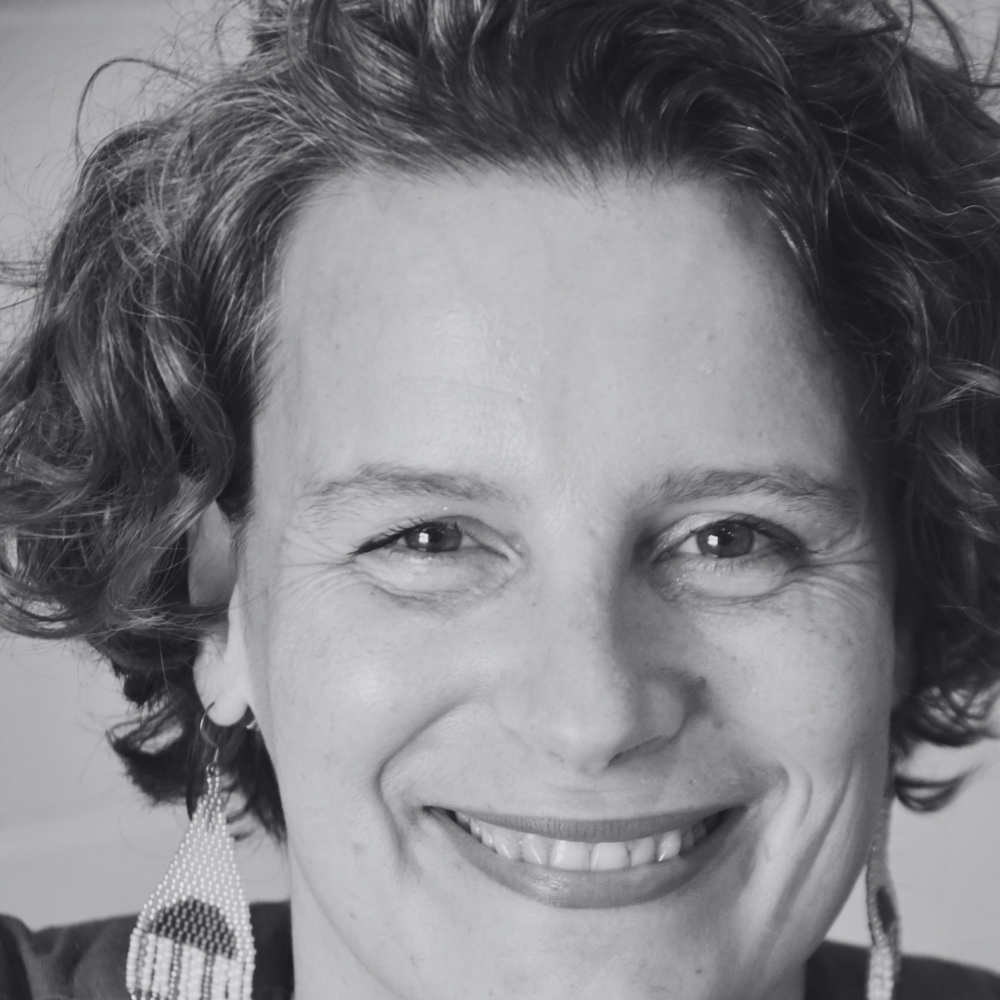
Co-founder of SURCY, a social enterprise and Québec’s first consulting firm dedicated to the reuse of construction materials, Sébastien Beauregard works at the intersection of architecture, design, and the socio-ecological transition. Holding master’s degrees in architecture from the University of Toronto and the Pontifical Catholic University of Chile, as well as a certificate in applied circular economy from BCIT, he brings over 14 years of professional experience across Canada and France. Driven by a critical, practice-based approach, he fosters collaboration to co-create solutions tailored to the Québec context, support public and private stakeholders, and actively facilitate the integration of material reuse within the built environment.

Reconnue pour sa créativité et sa ténacité, Anne-Catherine Lebeau est cofondatrice et directrice générale d’Écoscéno dont la mission est d’accompagner la transition socioécologique du secteur culturel dans une approche d’économie circulaire. Formée comme comédienne à Moscou, puis en Management à HEC, elle a collaboré avec Robert Lepage, Wajdi Mouawad ainsi qu’au Cirque du Soleil. Écoscéno offre des formations et des accompagnements en écoconception et déploie avec Rümker le projet Récits, une cohorte d’accompagnement de sept musées montréalais vers la circularité. Écoscéno récupère les matériaux ayant un potentiel de réemploi à la fin des projets et opère une boutique de matériaux de seconde main à Hochelaga-Maisonneuve.

Dedicated to supporting organizations in their socio-ecological transition, Marie-Anne Miljours works at the intersection of strategy, design, and the circular economy. She holds a master’s degree in management and sustainable development from HEC Montréal, where she focused on circular business models applied to the fields of design and architecture. After a ten-year entrepreneurial career in the fashion industry, she now brings this experience to Rümker, where she leads socio-ecological transition initiatives and supports public and private organizations in structuring concrete and measurable approaches. Guided by a systemic perspective, she views the circular economy as a powerful lever for transforming how we design, produce, and inhabit the world in more conscious and sustainable ways.