Breaking the Mold — Rethinking Sustainable and Affordable Urban Living
2026-04-29
10:45⏤11:45
Panel
This roundtable will explore innovations in urban planning and sustainable architecture to transform social and affordable housing. It will highlight integrated approaches that promote quality of life, environmental efficiency, and community engagement, while pushing beyond traditional models to address today’s urban challenges.
Conference in French.
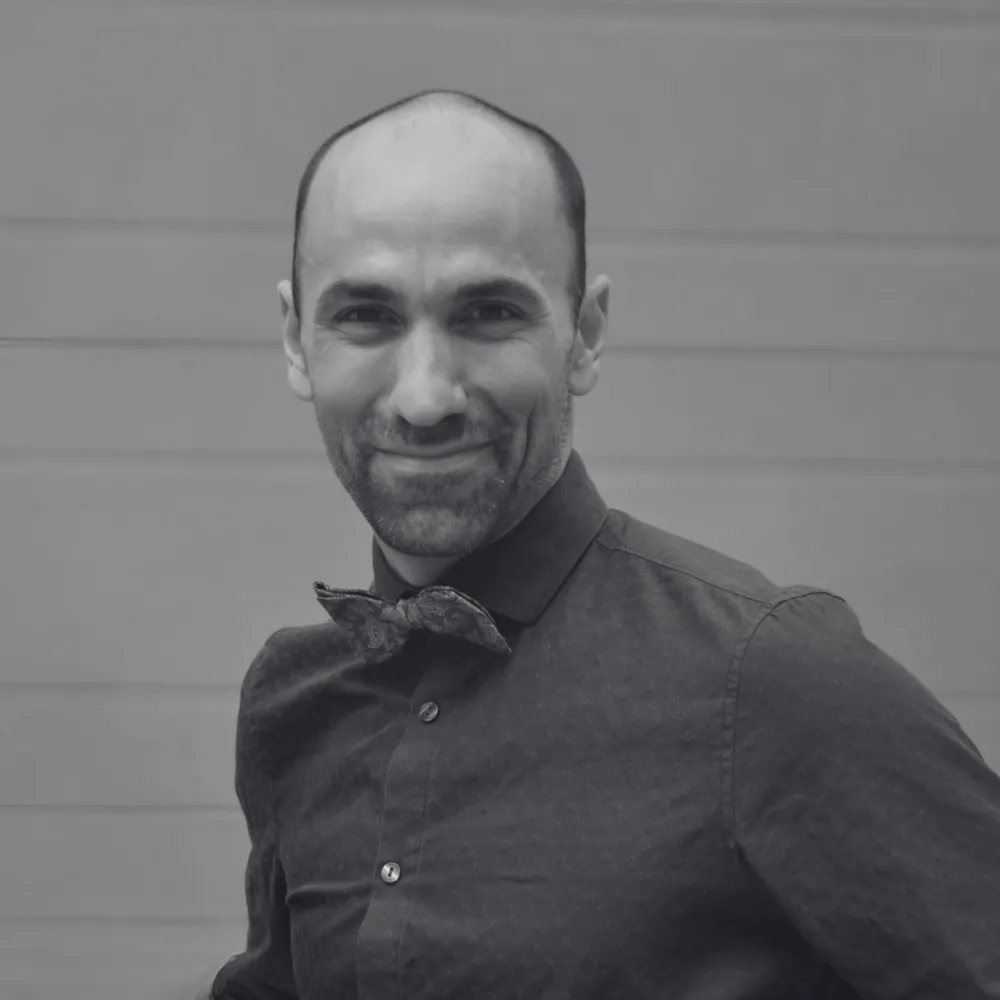
Bruno Demers ⏤ ASFQ
Directeur général d’Architecture Sans Frontières Québec (ASFQ)
Bruno Demers, Executive Director of Architecture Without Borders Québec (ASFQ), is a leading figure in social and sustainable architecture in Quebec. Recognized for his commitment to humanitarian architecture, both internationally and locally, he has initiated—alongside his teams and collaborators—numerous projects that transform lives and help build a fairer, more sustainable world. He also founded RÉCO, a Montreal-based social economy initiative dedicated to the recovery and reuse of construction materials and architectural and heritage components.
Ron Rayside ⏤ Rayside Labossière
Founding architect
Ron Rayside a fondé la firme Rayside architecte en 2000, devenue Rayside Labossière architectes en 2011. Il a participé à l’élaboration de nombreux projets d’envergure, dont plusieurs projets patrimoniaux et communautaires. À ce jour, il est impliqué dans de multiples organismes du milieu sociocommunautaire. Collaborant continuellement avec les acteurs de ce milieu, il a orienté sa pratique professionnelle afin de contribuer au mieux-être de la population montréalaise. Son dévouement et son implication des 40 dernières années ont d’ailleurs été soulignés à maintes reprises par plusieurs prix.
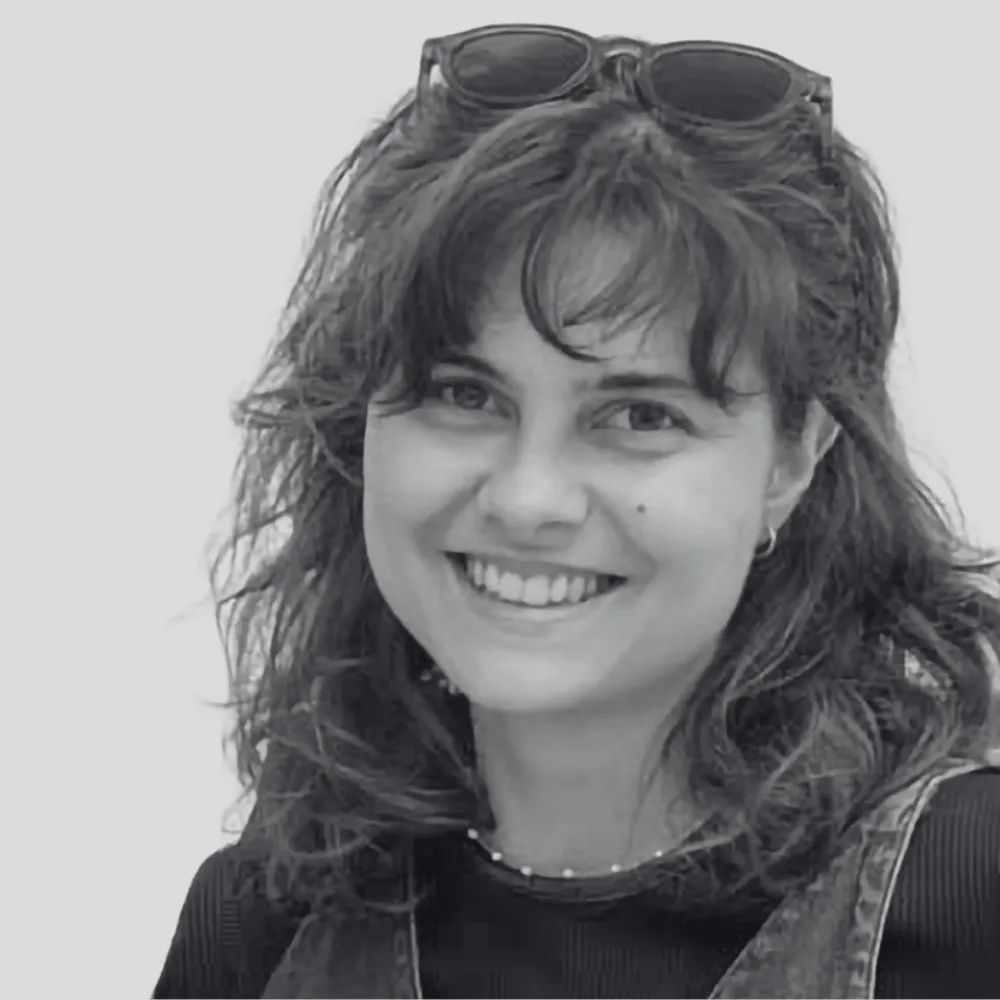
Adriana Menghi believes in a human-centered and ecological architecture that combines technological innovation with vernacular techniques and craftsmanship, through an egalitarian and collaborative design process. Her multidisciplinary background has led her to participate in various community-based construction projects using bio-sourced materials in different countries. She aims to continue integrating design and construction while contributing to the development of the cooperative work model, which she sees as a promising way to improve the profession.
Lydia Lavoie ⏤ BGLA
Associate architect
Lydia Lavoie is an architect and associate at BGLA, known for her innovative vision and expertise in institutional projects. With 12 years of experience, notably in acclaimed educational and certified projects, she brings sensitivity and creative energy to the team of the firm, which has been established for 45 years in Québec City, Montréal, and Sept-Îles.
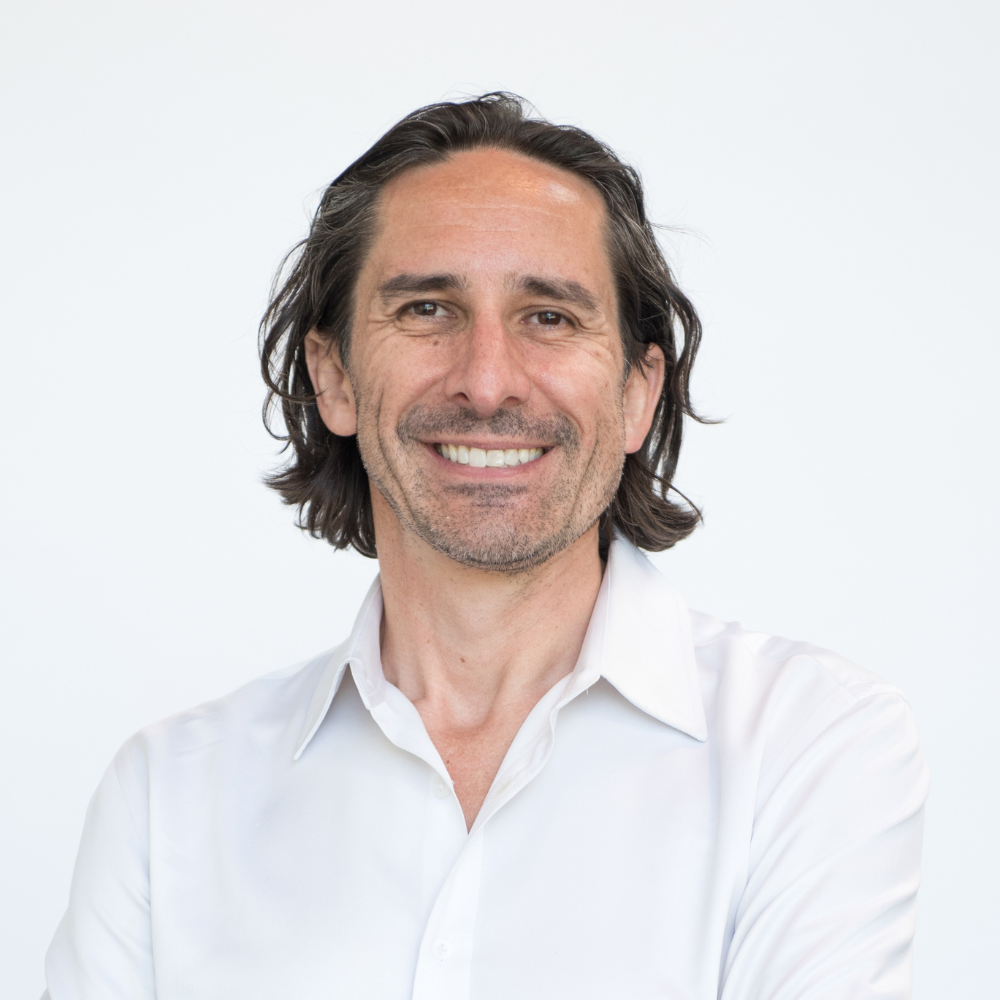
Gonzalo Lizarralde ⏤ Université de Montréal
Professor, School of Architecture, Université de Montréal
Gonzalo Lizarralde focuses on understanding design processes, as well as on the analysis of risk, social housing policies, and urban informality. He explores the causes and consequences of rapid urban transformation triggered by natural disasters, climate change, sociopolitical conflicts, and economic instability. Since 2017, he has held the Fayolle-Magil Construction Chair in Architecture, Building, and Sustainability. He is also Director of the University Observatory on Vulnerability, Resilience, and Sustainable Reconstruction (Œuvre durable). He is one of the founders of i-Rec, an international network of specialists in risk reduction and post-disaster reconstruction. He has led or contributed to large-scale research projects with a total budget exceeding $11.4 million. He is the author of Unnatural Disasters (2020), The Invisible Houses (2014), and La qualité en architecture, urbanisme et paysage (2024), and co-editor of four additional books.

.png)
.webp)
.jpeg)
.webp)

.webp)


